The Ultimate Guide to Custom Tattoo Design: How to Bring Your Vision to Life
Tattoos have long transcended their roots as mere body art. Today, a custom tattoo is a powerful form of self-expression. Whether it’s your first tattoo or your tenth, choosing a custom design over flash art offers a unique way to make your mark.
At DH Tattooing in Livermore, CA, our focus is on crafting deeply personalized tattoos that resonate with who you are. In this guide, we’ll take you step-by-step through the custom tattoo design journey to help you bring your vision to life with confidence.
1. Understanding the Power of Personal Ink
Custom tattoos reflect individuality. They commemorate milestones, embody philosophies, and represent identity. Unlike off-the-wall designs or flash tattoos, a bespoke piece is curated around you.
Key benefits of a custom tattoo:
- Unique design that no one else has
- Incorporates personal stories or symbols
- Aligns with your body’s shape and natural flow
- Built to age well and fit your lifestyle
A great custom tattoo becomes a timeless part of your story.
2. How to Find Inspiration for Your Tattoo
Many clients arrive with a strong vision; others have only a vague idea. Either is perfectly fine.
Ways to spark inspiration:
- Look through personal photos or journals
- Explore meaningful cultural or spiritual symbols
- Think about your life’s most defining moments
- Browse reputable artist portfolios
- Create a digital mood board on Pinterest or Instagram
The goal isn’t to copy an existing tattoo, but to find themes, symbols, or imagery that evoke something personal. A great artist will help synthesize that into something one-of-a-kind.
3. Researching Tattoo Styles and Symbolism
Not all tattoo styles convey the same mood or impact. Before booking a consultation, familiarize yourself with common genres and their strengths:
- Black and Grey Realism – Photographic detail, lifelike portraits
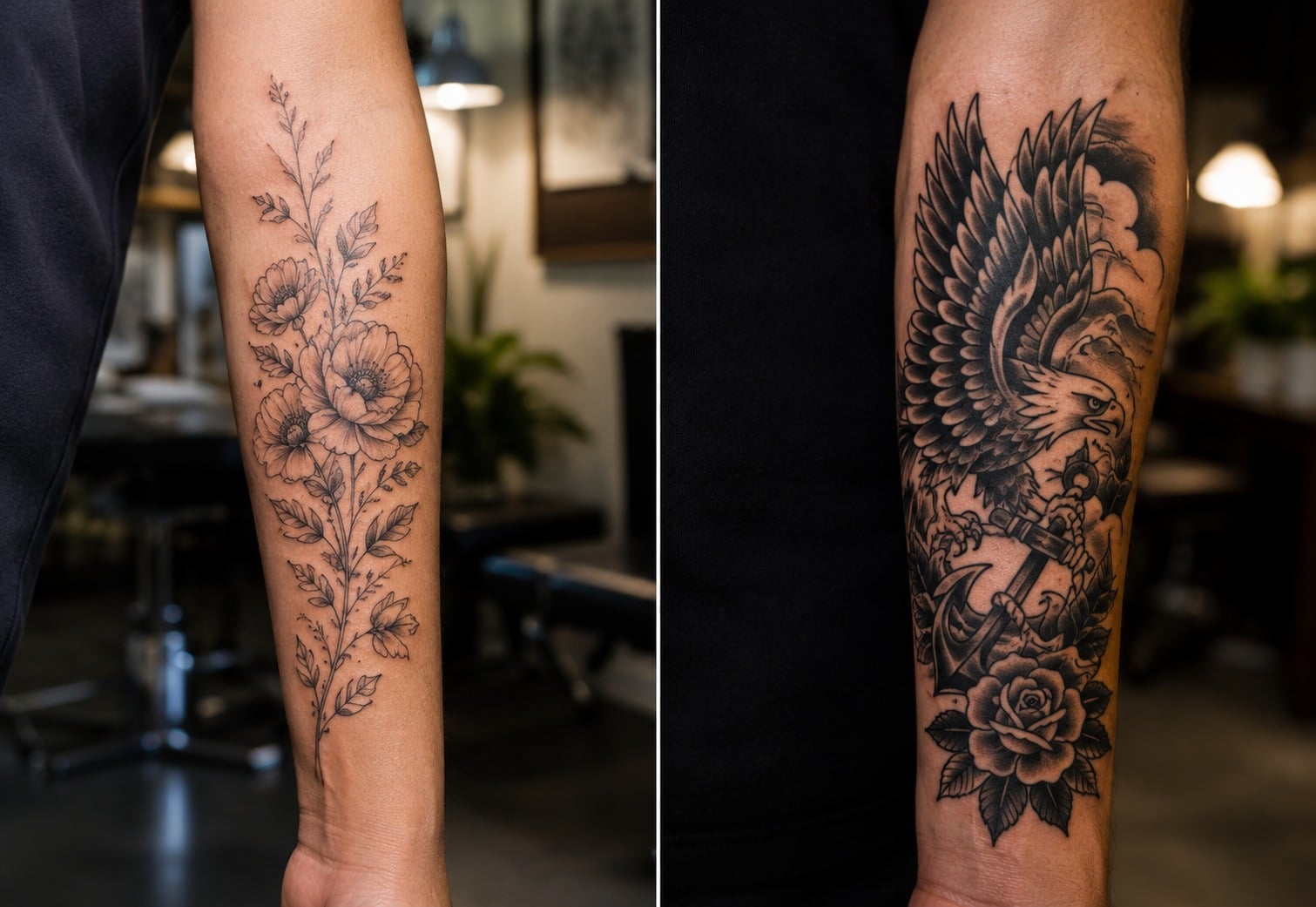
- Blackwork – Bold, graphic lines and shading
- Fine Line – Delicate and minimalist
- Neo-Traditional – Vivid color, stylized elements
- Japanese Irezumi – Mythological and historic imagery
Understanding your preferred style helps ensure a stronger fit between your vision and the artist’s strengths.
4. Choosing the Right Tattoo Artist
Not all artists are created equal, especially for custom work. You need someone who listens, interprets, and executes.
What to look for:
- Portfolio alignment: Do they specialize in your preferred style?
- Experience with custom designs: Ask to see prior bespoke work.
- Clean, licensed studio: Hygiene is non-negotiable.
- Good communication: Collaboration is key.
Local to Livermore, CA? Our team at DH Tattooing is known for personalized attention and exceptional custom work.
5. What Happens During a Tattoo Consultation?
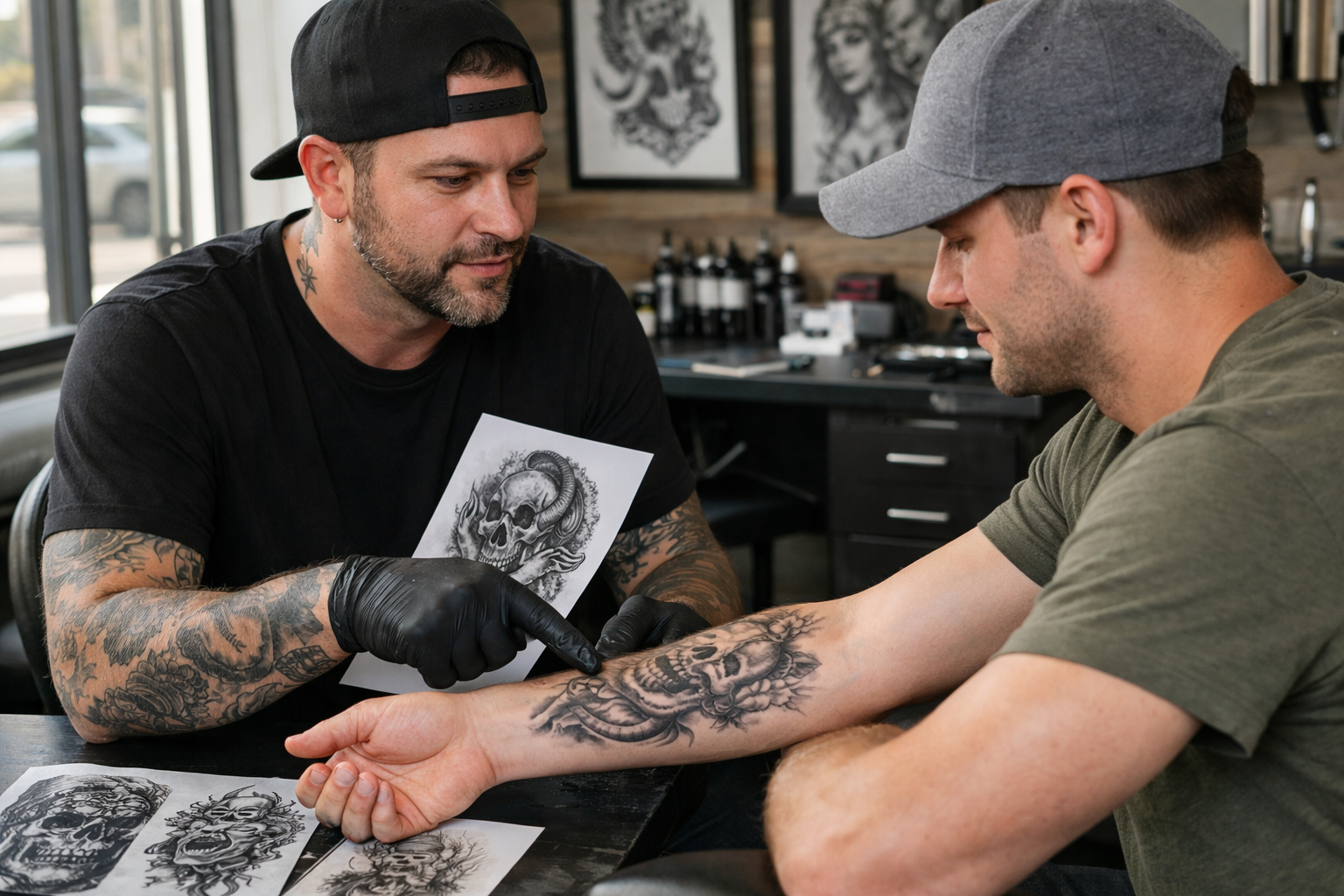
The consultation is where your ideas start to take form. Expect a collaborative, two-way dialogue. You’ll cover:
- Your story and what you want to express
- Visual references or mood boards
- Style and placement preferences
- Budget, sizing, and timelines
This is also your chance to ask questions about the process and get to know your artist’s approach. A great consultation lays the foundation for a successful piece.
6. Translating Vision into Artwork: The Design Process
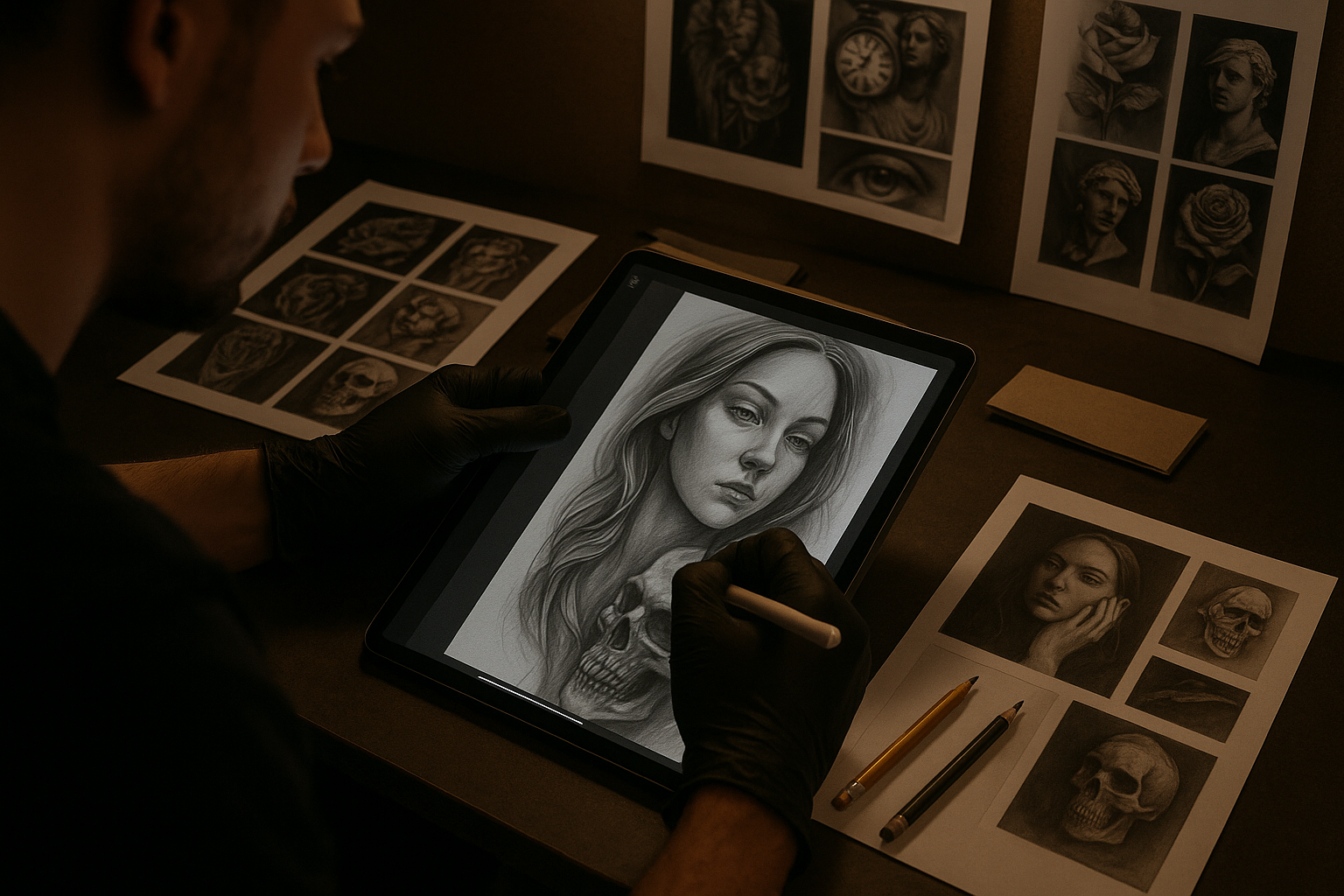
Once your artist has direction, they begin sketching. Depending on the complexity, this might take a few days to a few weeks.
You may review:
- Line art previews
- Shading or color mockups
- Digital overlays on your body photo (to show placement)
Expect revisions and input. But also, trust the artist’s hand. They bring technical know-how you might not anticipate (like how tattoos age or interact with skin tone).
Custom tattoos are a marriage of your story and the artist’s craft.
7. Custom Tattoo Tips for First-Time Clients
New to the tattoo world? Here are a few pro tips:
- Start small or medium: Especially if you’re testing pain tolerance
- Be open to suggestions: Artists often have insights into placement and flow
- Don’t bring a crowd: A consultation or session is best 1-on-1
- Don’t worry about being an artist: That’s what your tattooist is for
Trust and communication matter more than artistic skills on your end.
8. How to Prepare for Your Tattoo Session
Before your appointment, here’s how to ensure a smooth session:
- Hydrate and rest well the night before
- Eat a full meal (don’t come on an empty stomach)
- Wear comfy, accessible clothes based on tattoo placement
- Avoid alcohol, blood thinners, and sunburns for at least 24 hours
Bring headphones, snacks, and a relaxed attitude. A prepared client makes for a better tattooing experience.
9. Aftercare Essentials for Preserving Custom Art
Great aftercare is crucial for maintaining detail, contrast, and clarity.
Standard aftercare includes:
- Keeping the wrap on for the advised period
- Gently washing with fragrance-free soap
- Moisturizing with artist-approved ointments
- Avoiding sun, pools, and picking at scabs
Your artist should provide a custom aftercare guide. Follow it to the letter.
10. Common Mistakes to Avoid in Custom Tattoo Planning
Here’s what not to do:
- Copying another artist’s work without credit or consent
- Rushing the design or choosing without thought
- Micromanaging your artist’s technical choices
- Underestimating cost for quality work
- Ignoring healing protocols
Remember: a tattoo is for life. Rushing or cutting corners shows not in a good way.
11. Navigating Tattoo Placement and Body Flow
Tattoo placement isn’t just about personal preference; it impacts visual flow, pain levels, and longevity. Artists often guide clients toward placements that complement natural curves or avoid high-friction areas.
Popular custom tattoo placements:
- Sleeves (arms and legs)
- Ribs and sides (detailed but painful)
- Chest or sternum (dramatic effect)
- Back or shoulders (large canvas)
Your artist will consider symmetry, movement, and design balance to optimize visual impact.
12. The Psychology Behind Tattoo Choices
Why do we get tattoos? Psychology plays a huge role.
Tattoos often symbolize:
- Empowerment: Overcoming trauma or celebrating strength
- Memory: Honoring lost loved ones
- Transformation: New chapters, healing, or identity
- Connection: Cultural heritage, faith, or relationships
Understanding your “why” adds depth to your design and helps your artist interpret the emotion behind the imagery.
13. Color vs. Black and Grey: Choosing Your Palette
Choosing between color and black and grey realism depends on your vision, style, and skin tone.
Black and grey realism excels at:
- Lifelike portraits
- High contrast details
- Longer-lasting clarity
Color tattoos shine with:
- Bold, vibrant expression
- Creative freedom in non-realistic styles
- Certain cultural or floral designs
Discuss your skin tone and long-term goals with your artist to pick the best palette.
14. Tattooing for Different Skin Tones
Every skin tone is tattooable. But technique, color choice, and aftercare should adjust to suit each individual.
Tips for custom tattoos on darker skin tones:
- Use bold lines and higher contrast
- Focus on black and grey or deep saturated colors
- Choose experienced artists who understand melanin-rich skin
Tattooing is for everyone. Your artist should be skilled and inclusive.
15. Evolving Tattoo Trends and What They Mean
Trends evolve, but timeless art endures. That said, being aware of modern movements can inspire your own custom piece.
2025 tattoo trends to watch:
- Hyper-detailed micro realism
- Blackwork with negative space
- Stylized nature and wildlife scenes
- Spiritual and astrological designs
- Tech-inspired or biomechanical tattoos
Blend current inspiration with personal meaning for a truly unique design.
16. Tattoo Meaning Across Cultures and History
Tattoos are as old as civilization itself. From Polynesian warriors to Egyptian priestesses, body art has long served to signify status, rites of passage, and sacred beliefs.
Cultural Significance
- Maori Tā moko: Marks of lineage, identity, and tribal affiliations.
- Japanese Irezumi: Stories of mythological heroes and spiritual beliefs.
- Native American Ink: Symbols of protection, nature, and heritage.
- African Tribal Tattoos: Social status, bravery, and group identity.
By understanding cultural roots, modern clients can design tattoos that are not only beautiful but deeply respectful and meaningful.
Modern Adaptation
Today, cultural tattoos can be reimagined through a custom lens. Always research and consult with your artist to avoid cultural appropriation and ensure authenticity in symbolism and execution.
17. Building a Sleeve or Large-Scale Tattoo Concept
Planning a full sleeve or large-scale back piece requires strategy. Unlike single tattoos, these projects are modular and require long-term vision.
Step-by-Step Planning:
- Choose a theme: Nature, mythology, family, spiritual symbols, etc.
- Identify anchor pieces: Larger, focal designs that set the tone.
- Create flow: Use elements like waves, smoke, or vines to unify different tattoos.
- Balance composition: Make sure no area feels overcrowded or empty.
- Work in sessions: Large pieces can take months or years to complete.
Your artist will help map out your body canvas and plan a sequence for cohesive execution. Patience is key—masterpieces take time.
18. Cover-Ups and Tattoo Redesigns: Starting Fresh with Confidence
Not all tattoos age well and that’s okay. Cover-ups and redesigns give you a chance to reclaim your body art.
Reasons for Cover-Ups:
- Outdated style or poor artistry
- Faded, blown-out lines
- Personal changes (like relationships or beliefs)
Successful Cover-Up Strategies:
- Go bigger and bolder: The new design must fully mask the old one.
- Choose dark or complex designs: Blackwork and realism excel here.
- Collaborate closely: Be open about what the old tattoo meant and why you want change.
Sometimes, a redesign involves incorporating old work into something new rather than fully covering it. Either path requires trust and creativity.
19. Tattoo Maintenance Over the Years
Even the best ink needs care to stay crisp. As your skin ages and your lifestyle changes, your tattoo will evolve, too.
Long-Term Tattoo Maintenance:
- Moisturize regularly to preserve skin elasticity.
- Avoid prolonged sun exposure or use high-SPF sunscreen.
- Stay hydrated and healthy to support skin quality.
- Get touch-ups when details fade. Usually, it is every 5–10 years.
Your relationship with your tattoo doesn’t end after healing. Ongoing care helps your custom artwork remain sharp and meaningful for a lifetime.
20. Final Thoughts: Trust the Process, Trust Your Artist
The best tattoos emerge from collaboration, patience, and mutual respect. When you bring a vision and trust your artist to elevate it, the result is more than ink, it’s art that lives with you.
At DH Tattooing in Livermore, CA, we live for this process. Every line, every shade, every detail is guided by your story. If you’re ready to bring your vision to life, let’s talk.